The best over-ear headphones for an iPhone, iPad or Mac need more than good sound. Comfort, effective noise cancellation, battery life and useful connections all matter – and Apple’s AirPods Max aren’t the only option.
AirPods Max 2 is our pick for dedicated Apple users, combining excellent sound and noise cancellation with seamless integration across Apple devices. But its weight and price mean it won’t suit everyone. Our recommendations below include alternatives for different budgets and priorities, whether you want a lighter design, longer battery life or better value.
Drawing on our reviews, we explain how each pair sounds, how comfortable it feels and what you gain or give up compared with Apple’s headphones.
Prefer something smaller? See our best earbuds for iPhone. We also cover wired and USB-C headphones and compare every AirPods model.
Here are our recommended over-ear headphones for iPhone, iPad and Mac users, with advice on sound quality, noise cancellation, comfort and connectivity – and how each compares with AirPods Max.
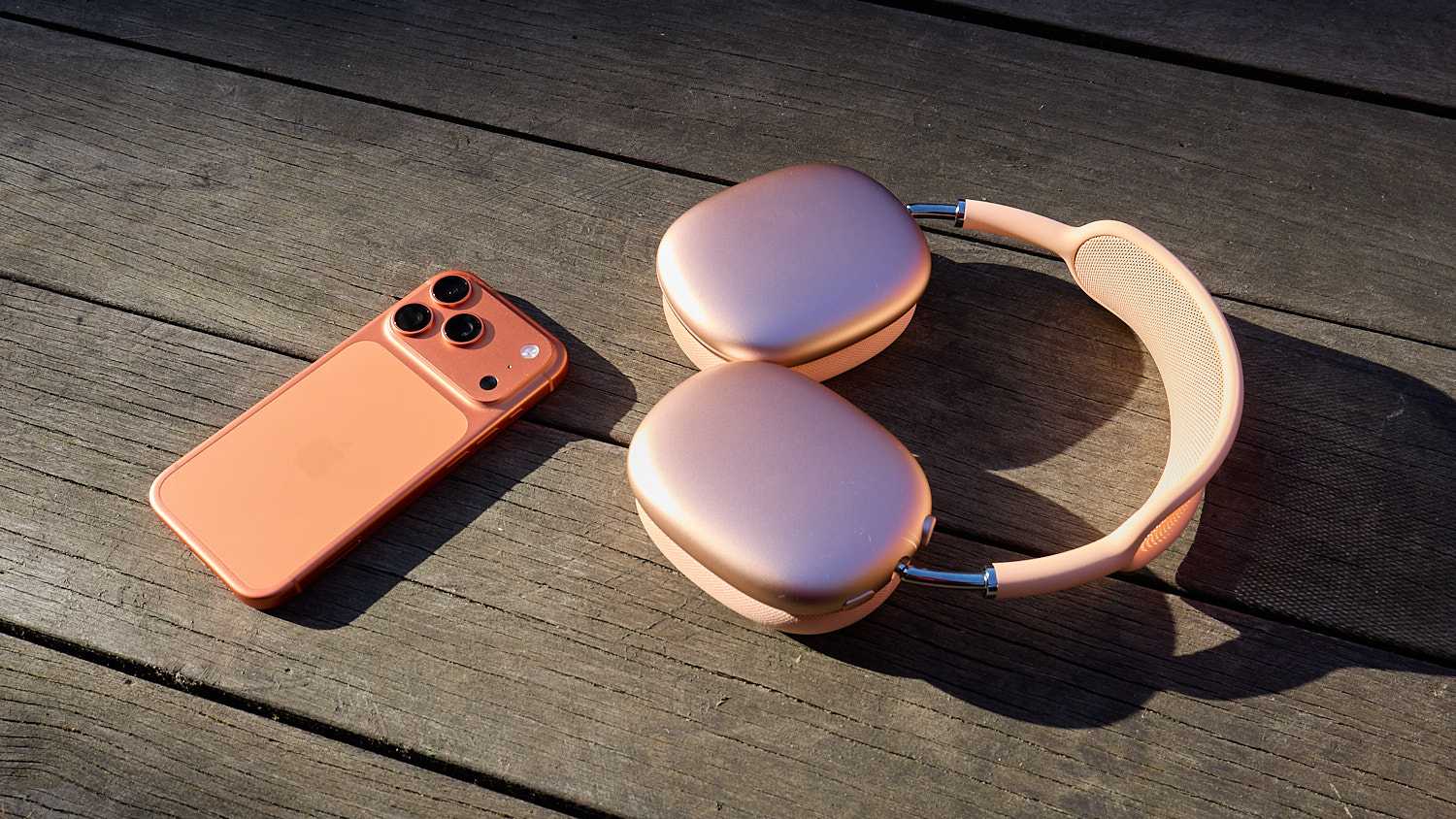
When we reviewed Apple’s second generation AirPods Max we rated sound quality, active noise cancellation and Transparency mode among the AirPods Max 2’s strongest attributes. Apple claims ANC is up to 1.5 times more effective than the previous generation. Adaptive Audio and Conversation Awareness add flexibility to everyday listening.
At 13.6 ounces, these are substantial headphones, and our reviewer found their weight noticeable when moving around. Portability remains a weakness. The controversial Smart Case returns, along with power management that prevents you from simply switching the headphones off manually.
Apple rates battery life at up to 20 hours with noise cancellation enabled. USB-C supports lossless and ultra-low-latency wired audio. Apple device integration remains a major attraction, while the H2 chip brings Voice Isolation and Live Translation alongside the new listening features.
Choose AirPods Max 2 if you specifically want premium Apple over-ear headphones and value their integration enough to accept the price and weight. Compared with the original, you gain H2 features and improved claimed ANC, while retaining familiar design compromises. AirPods Pro 3 offer many similar features for less than half the price.–Jason Cross
Read our full Apple AirPods Max 2 review
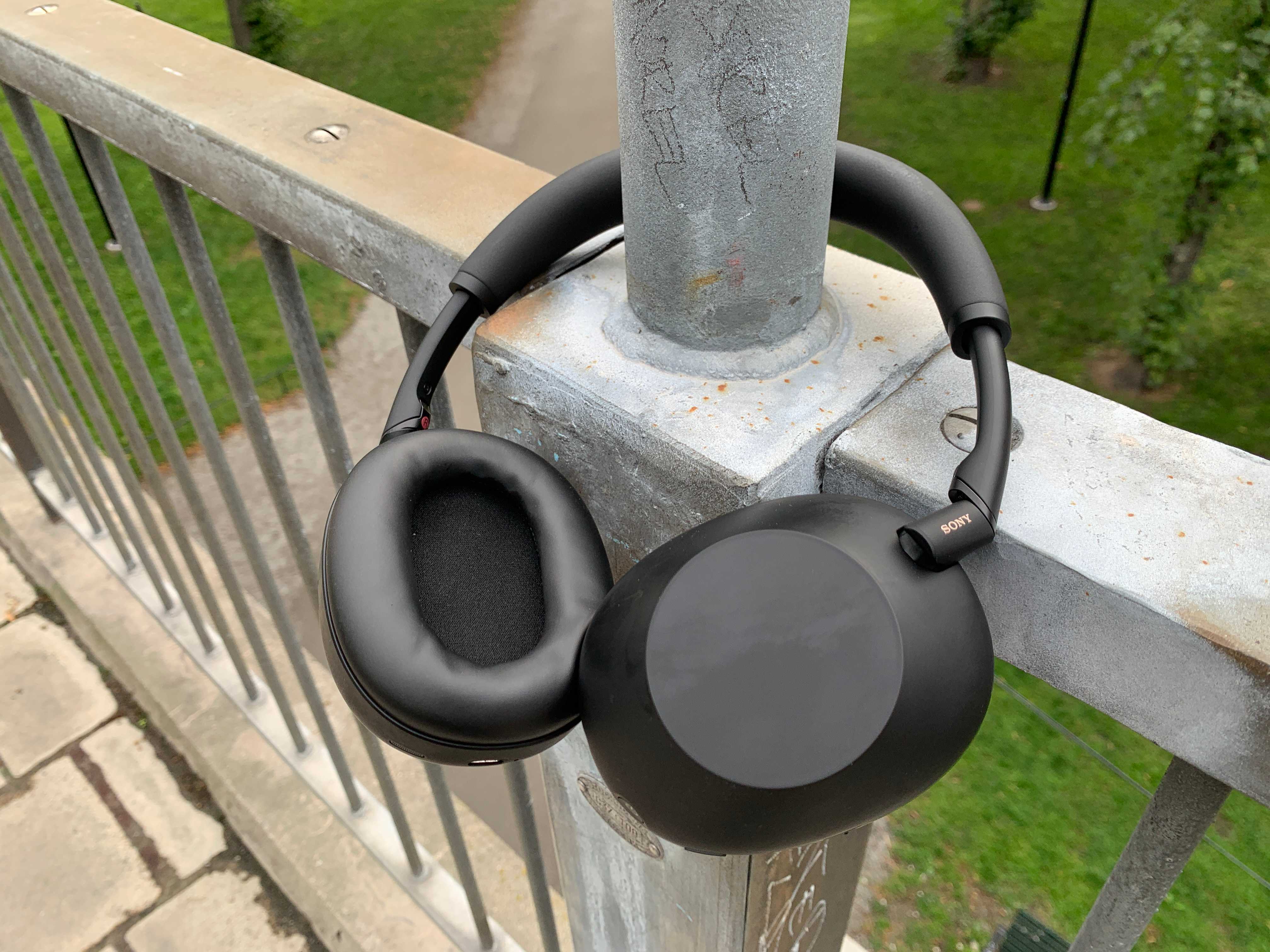
In their tests of the Sony WH-1000XM6 our colleagues at PC-WELT found powerful bass, clear mids and clean highs, with little audible change from the previous generation (the XM5). Noise cancellation was the strongest the reviewer had experienced, combining a close-fitting seal with improved suppression of low-frequency noise. Sound quality and isolation are compelling reasons to choose these headphones.
The XM6 sits comfortably, although PC-WELT found it less comfortable than Bose’s 700 and QC35 II. The restored folding mechanism makes packing easier, and a carrying case is included. Fit remains worth checking before committing to long listening sessions.
Sony quotes up to 30 hours with noise cancellation enabled. It also claims three hours’ playback from a three-minute charge using a compatible USB-PD adapter. USB-C handles charging, while the included analog cable provides wired listening. Bluetooth multipoint supports two connected devices, useful for an iPhone and Mac.
Choose the XM6 for excellent isolation, strong sound and travel practicality. Against AirPods Max, the folding design and longer rated ANC endurance are attractions; weigh those against Apple’s ecosystem integration. Existing XM5 owners have less reason to upgrade, since PC-WELT found the improvements modest.
Read our full Sony WH-1000XM6 review

The Bowers & Wilkins Px8 S2 deliver deep, reverberating bass without sacrificing the clarity of violins and violas. Our listening revealed an atmospheric presentation that handles delicate electronic textures convincingly. Noise cancellation effectively suppresses aircraft-engine rumble, but some higher-frequency noise remains audible. We felt that the AirPods Max and Bose QuietComfort headphones provided stronger isolation, though.
At 310g, the Px8 S2 is lighter than the AirPods Max and comfortable for extended listening. Padded earcups and a headband wrapped in soft Nappa leather feel luxurious, while sturdy aluminum arms inspire confidence in durability. A hard-shell carrying case is included for travel.
B&W specifies 30 hours with noise cancellation enabled, plus seven hours’ playback from a 15-minute charge. AAC supports Bluetooth listening on iPhone and Mac. USB-C supports wired high-resolution audio, with USB-C and 3.5mm-to-USB-C cables included.
Choose the Px8 S2 if rich, detailed stereo sound and premium construction justify a substantial outlay. Compared with the AirPods Max, you gain a lighter design and longer stated battery life, but pay more and give up some noise-canceling effectiveness.-Cliff Joseph
Read our full Bowers & Wilkins Px8 S2 review

The Bowers & Wilkins Px7 S3 keeps complex arrangements clear, separating percussion, guitars and horns without losing their energy. Delicate strings sound expressive, with a spacious presentation that gives instruments room to breathe. Noise cancellation suppresses low-frequency rumble well, but airport chatter still leaks through. AirPods Max and Bose QC Ultra block background noise more effectively.
Slimmer, lighter earcups make the Px7 S3 more suitable for extended listening and travel than its predecessors. Its minimalist design looks sleek, while the included hard-shell case protects the headphones in transit.
B&W rates battery life at 30 hours; the review specifies use with noise cancellation but provides no measured rundown result. AAC supports wireless listening on iPhone and Mac. USB-C handles charging and wired audio up to 24-bit/96kHz, making it useful for high-resolution Apple Music listening. USB-C and 3.5mm audio cables are included.
Choose the Px7 S3 if musical detail and stereo sound matter more than maximum isolation. Compared to the AirPods Max, you gain a lower price and higher-resolution USB-C support, but sacrifice some noise-canceling effectiveness. Frequent travelers who prioritize quiet should consider stronger alternatives.-Cliff Joseph
Read our full Bowers & Wilkins Px7 S3 review
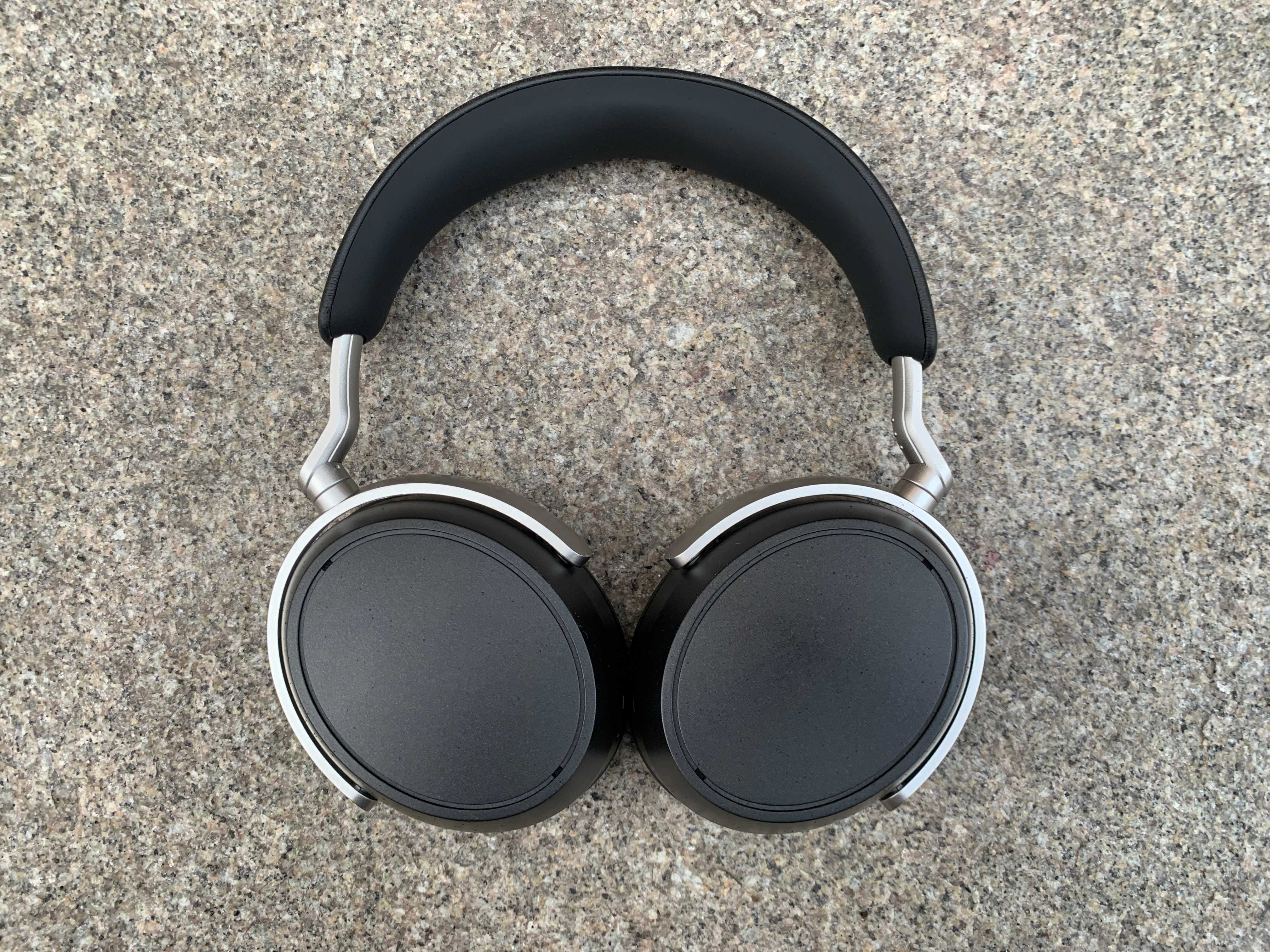
When we reviewed the Sennheiser HDB 630 we enjoyed more forceful strings and richer, resonant cellos using the included BTD 700 transmitter than through our iPad’s standard Bluetooth connection. Dense rock retained fine percussion detail. Noise cancellation strongly suppressed simulated aircraft rumble, but higher-frequency airport sounds leaked through. AirPods Max and Bose QuietComfort Ultra offered slightly better isolation.
Our colleagues at PC-WELT’s review found the HDB 630 comfortable enough to wear all day despite its 310g weight. The headphones have an elegant design and come with a sturdy carrying case and an airline adapter for travel.
Sennheiser claims up to 60 hours with ANC enabled and six hours’ playback from a 10-minute charge. Our reviewer reported around 45 hours when using the transmitter. AAC provides ordinary Bluetooth listening on Apple devices; the included USB-C transmitter adds higher-resolution wireless audio to compatible Macs, iPhones and iPads. USB-C and analog cables support wired listening.
The HDB 630 suits Apple users who prioritize sound quality and flexible connections. Compared with the AirPods Max, it offers longer stated endurance, a lower price and the bundled transmitter, while sacrificing some noise-canceling effectiveness. Initial transmitter pairing proved confusing, although switching connections became straightforward afterward.-Cliff Joseph
Read our full Sennheiser HDB 630 review
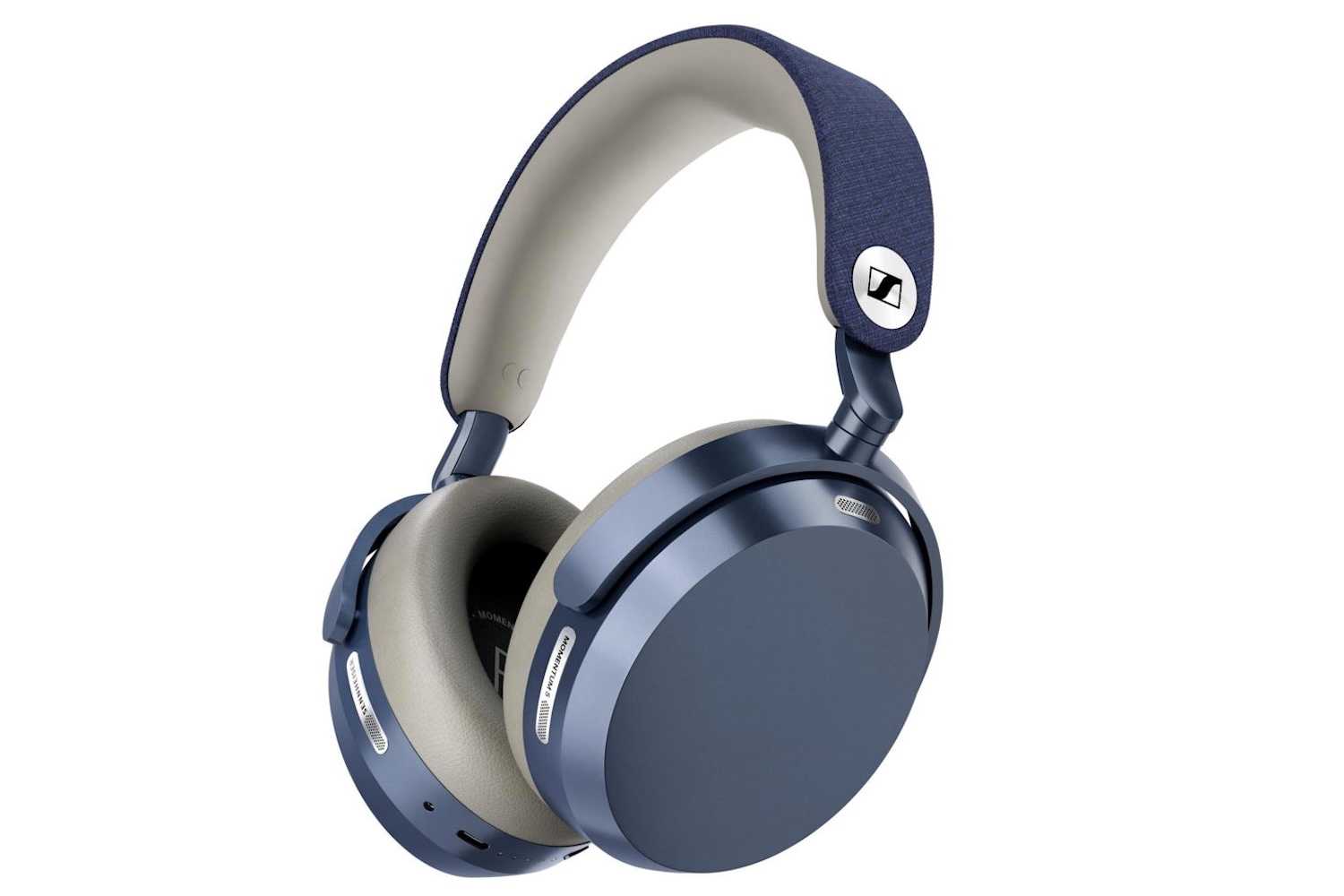
The Sennheiser Momentum 5 delivers deep, firm bass, clear high frequencies and an atmospheric soundstage. When we tested them, heavy guitar riffs had power, percussion sounded precise, and complex arrangements remained balanced. Noise cancellation matches AirPods Max at suppressing low-frequency rumble, such as aircraft engines. Higher-frequency sounds are also reduced effectively, although Apple retains an advantage here.
Thickly padded earcups and a 290g weight make these headphones comfortable for extended listening. They’re substantially lighter than the 386g AirPods Max. A sturdy carrying case provides protection when traveling.
The manufacturer claims 57 hours battery life with noise cancellation enabled, which is considerably better than Apple’s AirPods Max at 20 hours. USB-C and analog audio cables are included for wired listening, while AAC supports Bluetooth listening on Apple devices. The analog cable uses a 2.5mm headphone connector, potentially complicating replacement.
Frequent travelers seeking powerful sound, effective noise cancellation and long battery life should consider the Momentum 5. Against AirPods Max, you gain a lighter design, considerably longer reported battery life and a lower price. You give up some effectiveness against higher-frequency noise. Buyers prioritizing price should also consider the discounted Momentum 4. –Cliff Joseph
Read our full Sennheiser Momentum 5 Wireless review

When we tested the Beats Studio Pro, we experienced clean, balanced sound, with bass matching the clarity and punch of the AirPods Max, plus noticeably crisper highs. Adaptive noise cancellation impressed, although we felt AirPods Pro 2 performed better. Noise cancellation is unavailable when listening through USB-C.
At 260g, Studio Pro is considerably lighter than AirPods Max, but we found it less comfortable. The stiff headband and less luxurious ear cushions are the main compromises. The headphones fold for travel and include a proper carrying case.
Beats claims up to 24 hours of battery life with noise cancellation enabled. We got around four hours’ playback from a 10-minute charge. USB-C supports charging and lossless audio, alongside a 3.5mm input. Apple features include one-touch and iCloud pairing, hands-free Siri, Find My and personalized Spatial Audio with head tracking, but no instant device switching.
Studio Pro suits Apple users seeking versatile wired connections and a cheaper, lighter AirPods Max alternative. Our review preferred its sound and rated battery life favorably. You sacrifice comfort, automatic ear detection and seamless switching between Apple devices.-Jason Cross
Read our full Beats Studio Pro review

Listening to the JBL Tour One M3 Smart TX over AAC, we enjoyed lively horns, smooth bass and clearly defined percussion, with quieter piano details remaining audible in busy arrangements. Noise cancellation handles low-frequency drone well, but AirPods Max and Bose QuietComfort headphones provide more effective isolation. The JBL app’s 10-band EQ lets you tailor the sound.
At 278g, the M3 feels light and comfortable for long journeys, with large padded earcups and an adjustable headband. The plastic casing feels less sturdy than AirPods Max, although the included hard-shell case provides protection during travel.
Quoted battery life is 40 hours with noise cancellation enabled, with five hours’ playback from a five-minute charge. AAC supports Bluetooth listening on iPhone and Mac, while USB-C provides wired audio. The included Smart TX transmitter turns wired sources, including in-flight entertainment, into wireless audio and can broadcast to multiple Auracast-compatible headphones.
Choose the M3 if long battery life and flexible connections matter more than the strongest noise cancellation. Compared with AirPods Max, you gain a lighter design, longer quoted endurance, a lower price and the versatile transmitter. You sacrifice some build solidity and noise-canceling effectiveness.
Read our full JBL Tour One M3 Smart TX review

The Sonos Ace sounds roughly on par with AirPods Max, although we preferred a slight treble boost using the Sonos app’s EQ. Noise cancellation effectively reduces repetitive sounds such as traffic, air conditioning and aircraft noise. Aware Mode sounds impressively natural, matching Apple’s excellent transparency mode.
Our reviewer found the soft, flexible headband and plush ear cushions comfortable and secure during long listening sessions. At 312g, the Ace is lighter than the AirPods Max, although still relatively hefty. Construction feels sturdy, but the carrying case disappoints at this price.
Sonos rates battery life at 30 hours with noise cancellation enabled. USB-C supports lossless wired audio, with an analog connection available via the included cable. Sonos claims three hours’ listening from a three-minute charge. When our colleagues at PC-WELT’s ran tests they found the Ace switched reliably between a simultaneously connected iPhone and MacBook. Music streams from your connected device rather than directly over Wi-Fi.
The Ace particularly suits owners of compatible Sonos soundbars, allowing quick transfers of TV audio to headphones. Against the AirPods Max, you gain soundbar handoff and greater comfort, while giving up some Apple integration, including hands-free Siri.-Jason Cross
Read our full Sonos Ace review

When we reviewed the Bose QuietComfort Ultra we heard deep, dramatic bass and an agile high end that handled demanding vocals smoothly. Noise cancellation reduced loud simulated aircraft noise to a faint whisper. Bose’s Immersive Audio processing adds spaciousness and excitement, but can sound artificial and doesn’t improve every recording.
Soft-touch pleather and memory-foam cushions felt premium without excessive bulk, remaining comfortable for almost an entire day. Clamping pressure kept the headphones secure without becoming irritating. They fold flat and inward into a relatively compact carrying case.
Bose claims up to 24 hours with full noise cancellation and Immersive Audio off, falling to 18 hours with it enabled. Charging took under three hours. USB-C handles charging only; the included analog cable supports wired listening. Bluetooth connects to iPhone or Mac.
The original QuietComfort Ultra suits listeners prioritizing effective noise cancellation and lasting comfort. Its premium price needs weighing against newer alternatives, including Bose’s QuietComfort Ultra Headphones (2nd Gen). Compared with the AirPods Max you get a lower price, but you sacrifice USB-C audio compared with today’s USB-C AirPods Max. –Jonathan Takiff
Read our full Bose QuietComfort Ultra Headphones review

The Beats Solo 4 improve on their predecessor’s sound, but we found its reproduction insufficiently revealing to appreciate the benefits of lossless audio. There’s no ANC (active noise cancellation), a significant omission for anyone seeking relief from background noise.
The on-ear design has soft earpads, but headband tension caused uncomfortable pressure during longer listening sessions with glasses. Listeners sensitive to that pressure may prefer an over-ear model. There’s also no wear detection, so removing the headphones won’t automatically pause playback.
Beats claims up to 50 hours of battery life. USB-C supports simultaneous charging and wired listening, while both USB-C and 3.5mm connections support lossless audio. Apple users get one-touch and iCloud pairing, Find My, hands-free Siri, and Personalized Spatial Audio with head tracking.
The Solo 4 suits Apple users seeking familiar ecosystem features in a more affordable headphone. Against AirPods Max, you gain a lower price and longer claimed battery life, while retaining several useful Apple conveniences. You give up active noise cancellation and automatic wear detection, and the on-ear fit may prove less comfortable for extended listening.– Jason Cross
Read our full Beats Solo 4 review

The Logitech Zone Vibe delivers clear, detailed sound for calls and music. In our listening, it balanced dense drums and percussion without losing quieter background details. There’s no active noise cancellation for listening, however. The microphone’s noise-reduction filter targets background noise during calls, rather than shielding you from your surroundings.
At just 185g, this over-ear headset is designed for people who wear headphones throughout the working day. The adjustable boom microphone folds upward to mute, making it convenient for meetings.
Stated battery life is 20 hours for listening or 18 hours for calls. There’s no ANC-enabled runtime because listening ANC isn’t available. AAC supports Bluetooth audio on iPhone and Mac, and Logitech’s Tune app is available on both platforms. There are no wired audio inputs.
Choose the Zone Vibe for home working, frequent video calls and music between meetings. Compared with AirPods Max, you gain a much lighter, more affordable headset with a dedicated boom microphone. You give up listening ANC, spatial audio and wired listening.-Cliff Joseph
Below, we run through what to look for when choosing over-ear headphones for your iPhone or Mac, from sound quality and comfort to Apple features, lossless audio, noise cancellation and battery life.
Sound quality, comfort and reliable connectivity should come first. AAC support is useful for Bluetooth listening on Apple devices, but it isn’t required for basic compatibility. Check which additional features work with your iPhone, iPad and Mac, including easy pairing, automatic switching, hands-free Siri and Find My. These vary between models – even within Apple’s AirPods and Beats ranges.
Bluetooth multipoint lets compatible headphones maintain connections to two devices, making it useful for moving between an iPhone and Mac. Check how switching works in practice, rather than assuming it behaves like Apple’s automatic switching. Also check whether the manufacturer’s iPhone app offers equalizer controls and firmware updates.
Prioritize listening assessments over driver size or frequency-response claims. Look for clear vocals, audible detail and bass that suits your taste without overwhelming the music.
Yes, but the connection matters. Standard Bluetooth playback from an iPhone or Mac uses compression, even when you select a lossless track in Apple Music. A compatible wired connection is the straightforward way to hear lossless audio.
AirPods Max 2 and the first-generation USB-C AirPods Max support lossless playback over USB-C with current software and firmware. Some competing wireless headphones, including Beats Studio Pro, also offer USB audio. However, a USB-C charging port doesn’t necessarily support audio, so check before buying.
Traditional headphones with a 3.5mm plug are another option. Depending on your device, you may need an adapter or an external digital-to-analog converter (DAC). The supported resolution depends on the entire connection; wired listening doesn’t automatically guarantee support for Apple Music’s highest-resolution recordings. See our guide to DACs and lossless audio on iPhone and Mac.
Some headphones include a wireless transmitter. Check its compatibility and supported formats: adding a transmitter doesn’t automatically make playback lossless.
For frequent flights, train journeys or noisy workplaces, prioritize effective active noise cancellation (ANC). It is particularly useful against steady sounds such as engine drone. Performance against conversations and sudden noises varies, so look for listening-test results rather than relying on manufacturers’ claims.
Passive isolation comes from the earcups sealing around your ears. A good fit helps both isolation and sound quality. Transparency or ambient modes use microphones to let you hear your surroundings without removing the headphones – useful when listening for announcements or maintaining awareness while walking.
If you make frequent calls, assess microphone performance separately: effective listening ANC doesn’t guarantee clear speech for the person you’re calling.
Comfort depends on weight, clamping pressure, headband design and earcup cushioning. Lighter headphones aren’t automatically more comfortable: how the headband distributes weight matters, too.
Look for enough adjustment to position the earcups comfortably around your ears, with a secure fit that doesn’t squeeze. Glasses can affect both comfort and the seal. Cushion materials also matter, particularly if heat and sweating become uncomfortable during longer sessions.
Try headphones for an extended session if possible, checking for pressure around your ears and across your head. For travel, consider whether they fold and whether the supplied case provides adequate protection.
Choose enough battery life for your longest listening sessions, with some allowance for missed charges. Around 30 hours with ANC enabled is a useful target for commuting and occasional travel, while frequent travelers may prefer longer endurance. A shorter runtime can still be sufficient if you recharge regularly.
Compare figures under the same conditions: turning off ANC can substantially increase battery life. Our reviews distinguish manufacturers’ estimates from measured results where available.
Quick charging can be as useful as total endurance, providing enough playback for a journey after a short charge. For longer trips, check whether headphones work while charging or through a cable with an empty battery. Wired listening doesn’t necessarily mean battery-free listening.
Auracast lets a compatible source broadcast audio to multiple headphones or hearing devices. It can be useful for shared listening or receiving audio in equipped public venues. Check explicitly for Auracast reception support; a recent Bluetooth version alone doesn’t guarantee it.
When our audio experts review headphones our comprehensive evaluation covers sound quality, design and comfort, key features like noise cancellation, and overall value for money. We undertake subjective listening tests and an objective analysis of features and build quality.
The most critical aspect of our headphone reviews is an assessment of audio performance including Tonal Balance, Clarity and Detail, Audio Defects and Spatial Audio.
Active Noise Cancellation and Transparency Modes are also assessed, both being primary features users look for. We test how effectively the headphones block out different types of ambient sound, such as the low-frequency drone of an airplane engine versus higher-frequency chatter. We also assess how well transparency mode amplify outside sounds when you need to be aware of your surroundings.
Design, comfort and build quality are also important factors, as is the ease of use when it comes to the controls and functionality. Battery life is another important consideration, and the time it takes to charge the headphones.
Finally, we review the available connection options and the codecs supported since AAC support is required for Apple devices.